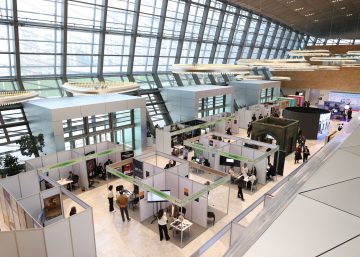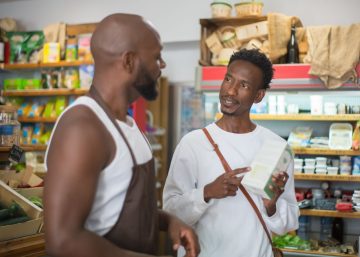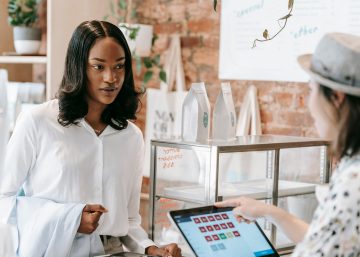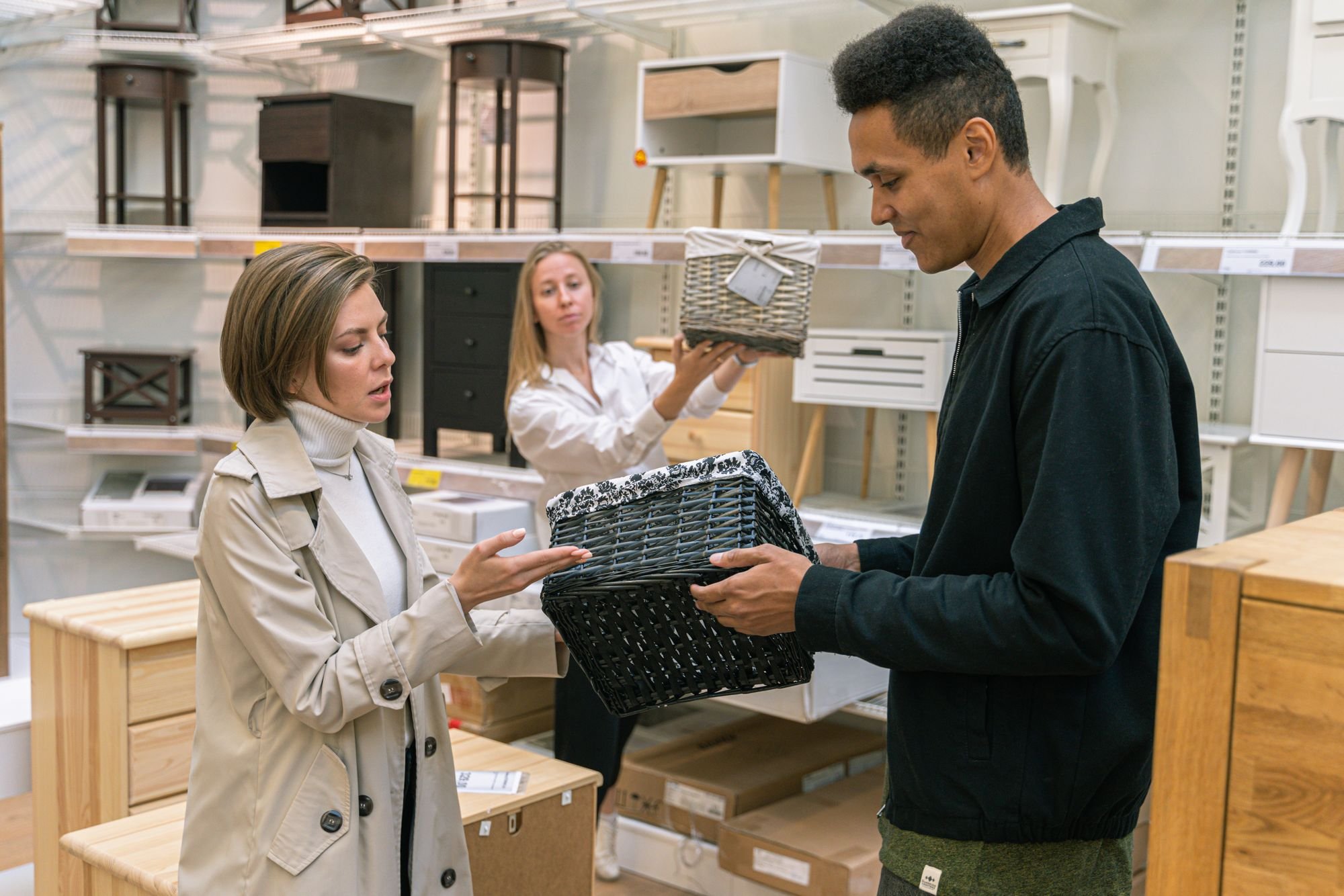
A retail activation is a planned, staffed brand experience inside a shop, shopping centre or other retail space, designed to get shoppers to try, understand and sign up to or buy a product on the spot. Unlike a poster or a shelf display, an activation puts trained people next to the product, so shoppers can ask questions and make a decision there and then.
This guide explains what retail activations are, why they matter for UK brands right now, how a campaign runs from start to finish, and how to measure whether it worked.
Key takeaways
- A retail activation combines a physical presence in a store or shopping centre with trained brand representatives who start conversations and convert interest into action.
- Most UK retail spending still happens in physical stores, but footfall has been falling, so brands need to make every visit count.
- The strongest activations have one clear objective, a well-chosen venue, a fully briefed team and a plan for following up every lead.
- Success is measured in conversations, conversions and customer quality, not just how many people walked past the stand.
What is a retail activation?
A retail activation, sometimes called an in-store activation or brand activation, is a temporary campaign that brings a brand to life where people are already shopping. A team sets up in a retail environment, such as a supermarket, department store, retail park or shopping centre, and engages shoppers directly.
Common formats include:
- Product demonstrations: showing how a product works and answering questions in real time.
- Sampling and trials: letting shoppers taste, touch or test a product before they buy.
- Sign-up activations: helping shoppers join a service, subscription or membership at the stand.
- Launch activations: introducing a new product or brand to a specific area or audience.
- Pop-up stands: a branded space in a high-footfall location for a set period.
Why do retail activations matter for UK brands?
Most spending still happens in stores. Office for National Statistics figures show that online sales made up 29.4% of UK retail spending in June 2026, the highest share since April 2021. In other words, roughly seven in every ten pounds are still spent in physical stores.
Footfall is under pressure, so every visit matters. BRC-Sensormatic data shows UK retail footfall fell 0.8% across 2025 and kept falling through much of 2026, including a 2.9% year-on-year drop in September 2026. With fewer people walking through the doors, brands need to turn more of those visits into real conversations.
Shoppers visit stores to experience products. In research by Aptos, 61% of UK consumers said the main reason they choose a physical store over buying online is the chance to see, touch or try a product first. An activation gives them exactly that, with someone on hand to explain it.
People want more from a store visit. CBRE’s Retail Generational Survey 2026 found that 29% of UK respondents want in-store events. A well-run activation turns an ordinary shopping trip into a reason to stop and engage.
How does a retail activation work?
Most successful campaigns follow the same seven steps.
- Set one clear objective. Decide whether the goal is sign-ups, sales, trials or data capture, and agree how each result will be recorded.
- Choose the right venue and timing. Match the location to the audience you want to reach, and plan around the busiest days and times.
- Brief and train the team. Representatives need to know the product, the offer, the customer and the rules they must follow before they speak to anyone.
- Design the space. Keep the stand simple, branded and easy to approach, with room for proper conversations.
- Engage shoppers. Start genuine conversations, listen first and explain how the product fits each person’s needs.
- Capture and follow up. Record every sign-up or lead accurately and make sure each one is followed up quickly.
- Review and refine. Compare results by day, time and venue, then use what you learn to improve the next activation.
How does a retail activation compare with other channels?
| Channel | Where it happens | Best for |
|---|---|---|
| Retail activation | Shops, supermarkets and shopping centres | Reaching shoppers who are already in a buying mindset |
| Events and exhibitions | Trade shows, festivals and industry events | Meeting a concentrated, targeted audience in one place |
| Direct doorstep sales | Customers’ homes in selected areas | Reaching residential audiences at scale |
| Digital advertising | Search, social media and websites | Building reach and awareness quickly |
These channels work best together. Digital advertising builds awareness, while a retail activation gives people the chance to meet the brand, ask questions and act. For a closer look at choosing between them, read Retail Activation, Events or Doorstep Sales: Which Channel Fits Your Brand? and What Is Face-to-Face Customer Acquisition?
How do you measure the success of a retail activation?
- Conversations held: how many shoppers the team actually engaged, not just how many walked past.
- Conversion rate: the share of conversations that became a sale, sign-up or qualified lead.
- Customer quality: how many new customers stay active weeks and months later.
- Cost per acquisition: total campaign cost divided by the customers it won.
- Performance by venue and time: which locations, days and hours delivered the best results.
- Shopper feedback: what people said, which questions came up and which objections stopped them.
What are the most common retail activation mistakes?
- No single objective: trying to drive awareness, sampling and sign-ups at once usually achieves none of them well.
- An under-briefed team: representatives who cannot answer basic questions lose the shopper’s trust immediately.
- The wrong venue: high footfall is wasted if the people walking past are not the right audience.
- Measuring footfall instead of results: visitors are not customers, so track conversions and customer quality.
- No follow-up: leads captured on the day lose value quickly if no one contacts them.
How Bespoke Global delivers retail activations
Bespoke Global is a customer acquisition and brand development company headquartered in Newcastle upon Tyne. Its activation teams are trained to represent each client’s brand with precision, communicate value clearly, engage customers authentically and convert interest into action. The team manages every element of the in-store experience, from concept through to execution.
Retail activations sit alongside Bespoke Global’s other services: customer acquisition campaigns, events and exhibitions, brand development and market presence, direct doorstep sales, and a structured partnership programme for regional agencies. Every campaign is tailored to the client’s customer demographics, expansion targets and commercial objectives.
Explore Bespoke Global’s services or request a quote to discuss a retail activation for your brand.
Frequently asked questions
What is the difference between a retail activation and a brand activation?
Brand activation is the wider term for any campaign that brings a brand to life through direct engagement, including events, experiential marketing and sampling. A retail activation is a type of brand activation that takes place specifically in a retail environment, such as a store or shopping centre.
Where do retail activations take place?
Retail activations usually take place in supermarkets, department stores, shopping centres, retail parks and high-street stores, wherever the brand’s target customers are already shopping.
How long does a retail activation run?
It depends on the objective. Some activations run for a single weekend around a launch, while others run for weeks or months across several venues, with results reviewed and the approach refined as the campaign continues.
What makes a retail activation successful?
A clear objective, the right venue, a well-trained team that understands the product and the customer, and accurate tracking and follow-up of every sign-up or lead.
Does Bespoke Global run retail activations outside Newcastle?
Bespoke Global is headquartered in Newcastle upon Tyne and is expanding across the UK and Europe through its own offices and agency partners. Get in touch to discuss the locations you want to reach.
Sources
- Office for National Statistics: Retail sales, Great Britain, June 2026
- BRC-Sensormatic footfall data for December 2025 and the full year (Retail Insight Network)
- BRC-Sensormatic footfall data for September 2026 (Retail Insight Network)
- Aptos consumer research on physical stores (Retail Tech Innovation Hub)
- CBRE Retail Generational Survey 2026 (Retail Times)